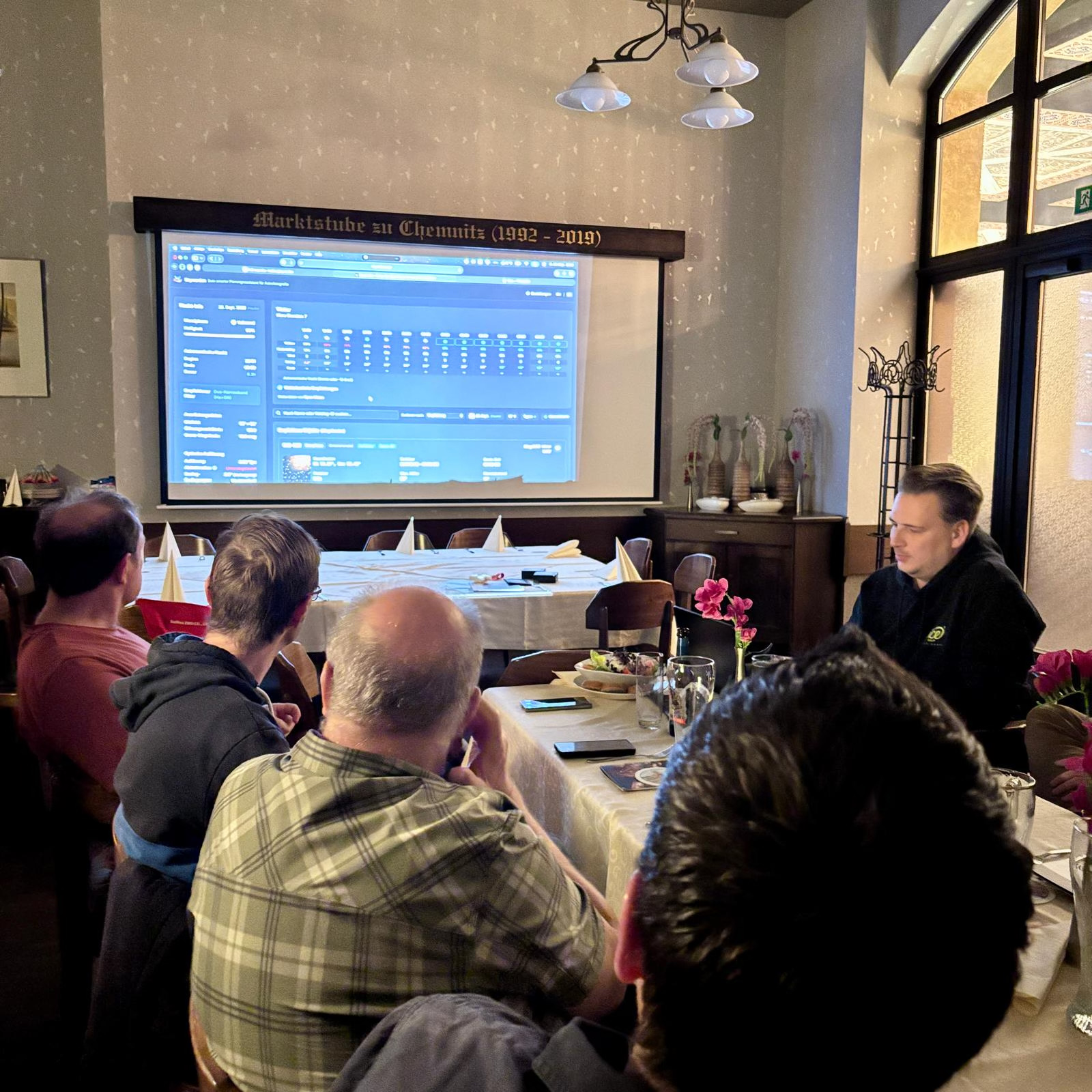
Monthly meetups
One evening a month: member talks on imaging, processing and equipment, followed by long conversations. Beginners get answers, veterans get fresh eyes.
 Astro Stammtisch Chemnitz
Astro Stammtisch Chemnitz · Saxony, Germany
From first-telescope beginners to seasoned narrowband imagers - we meet, shoot, process, teach and share the sky with the public. This is who we are and how we could work together.
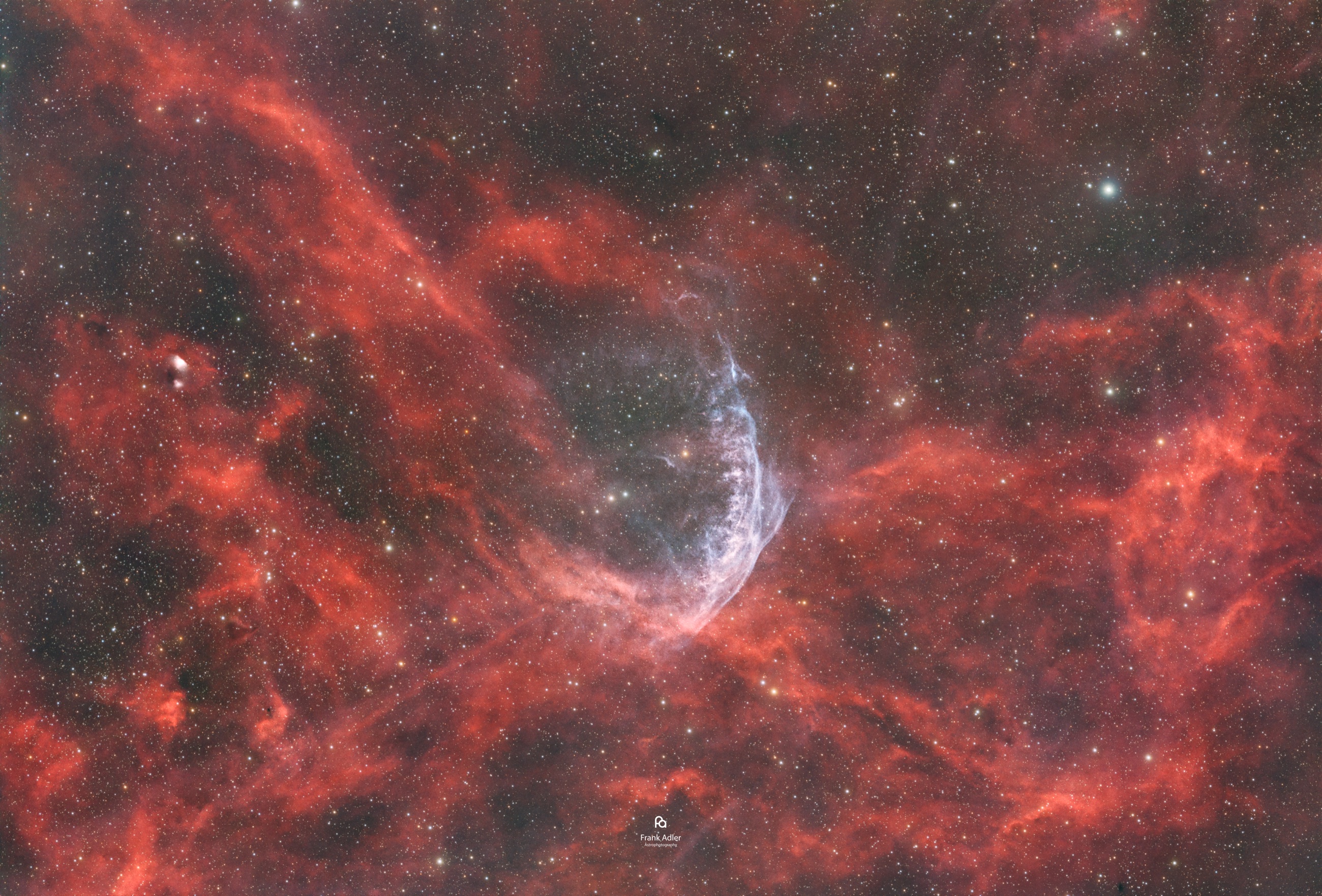
WR 134 · by Frank Adler
Who we are
Astro Stammtisch Chemnitz is an informal astronomy group in Chemnitz, Saxony. We're currently 28 members - curious newcomers, visual observers, and astrophotographers who have been chasing photons for years.
Once a month we meet for an evening of talks and conversation at the Ratsstube Chemnitz. Between meetups, a very active WhatsApp group keeps the discussion going: image processing, gear troubleshooting, weather windows, first-light reports and the occasional 2 a.m. "is it clear at your place?"
What binds us together is simple: we like helping each other get better at this hobby, and we like showing the sky to people who haven't looked up in a while.
What we do
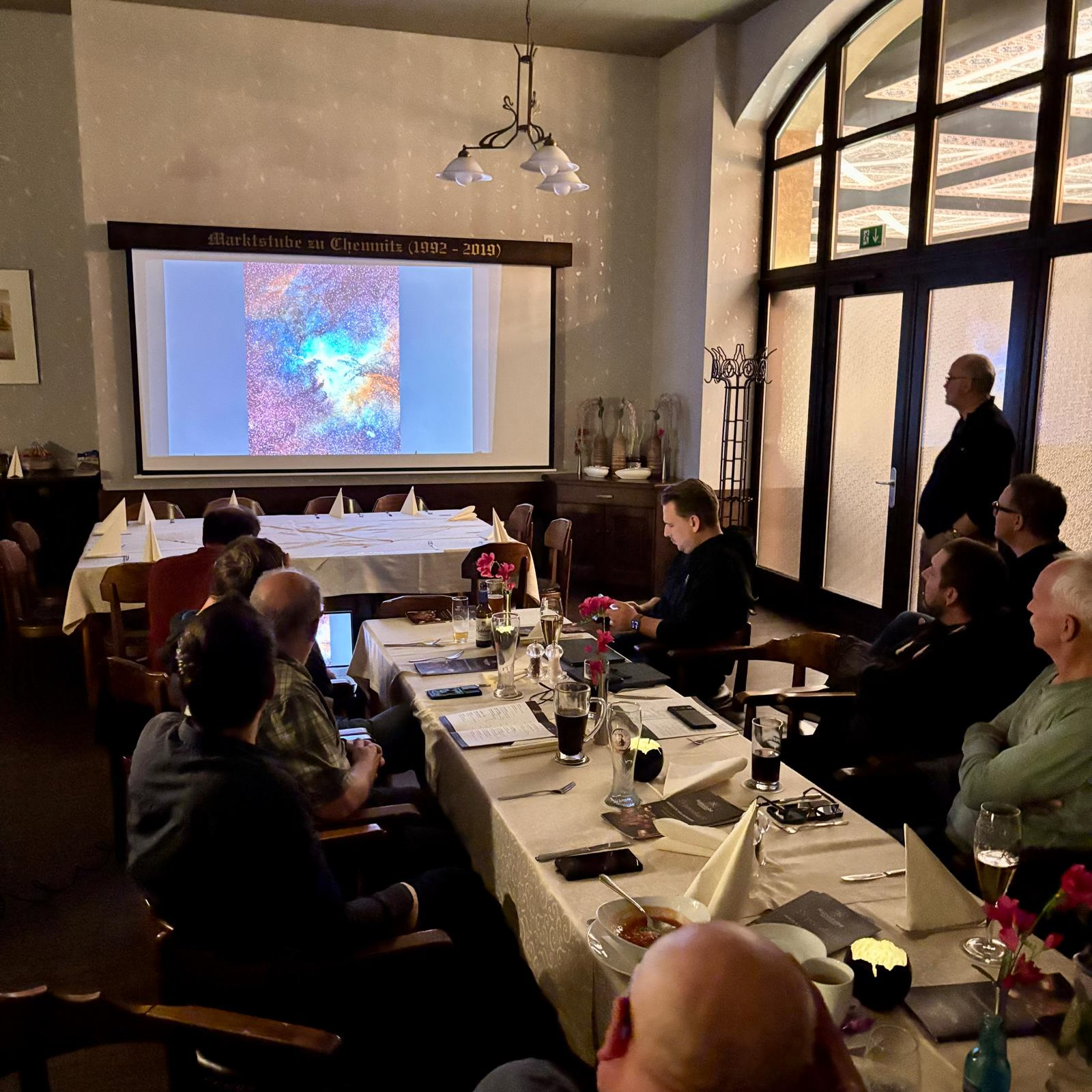
One evening a month: member talks on imaging, processing and equipment, followed by long conversations. Beginners get answers, veterans get fresh eyes.
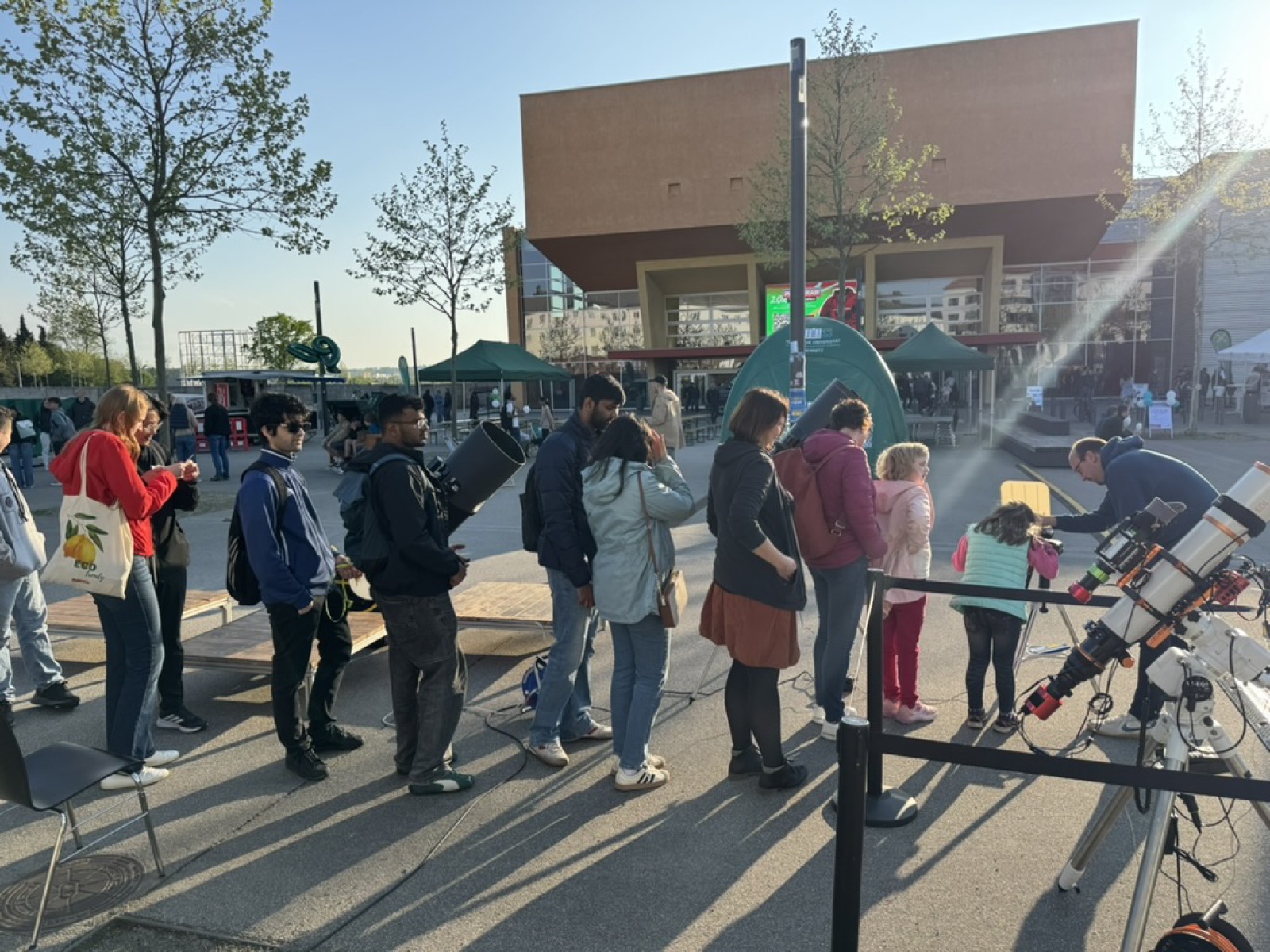
Every year we run a booth at the TUC Tag / Lange Nacht der Wissenschaften. In May 2026: H-alpha Sun, Jupiter and galaxies through our scopes, and the talk "Journey to the Stars" late at night.
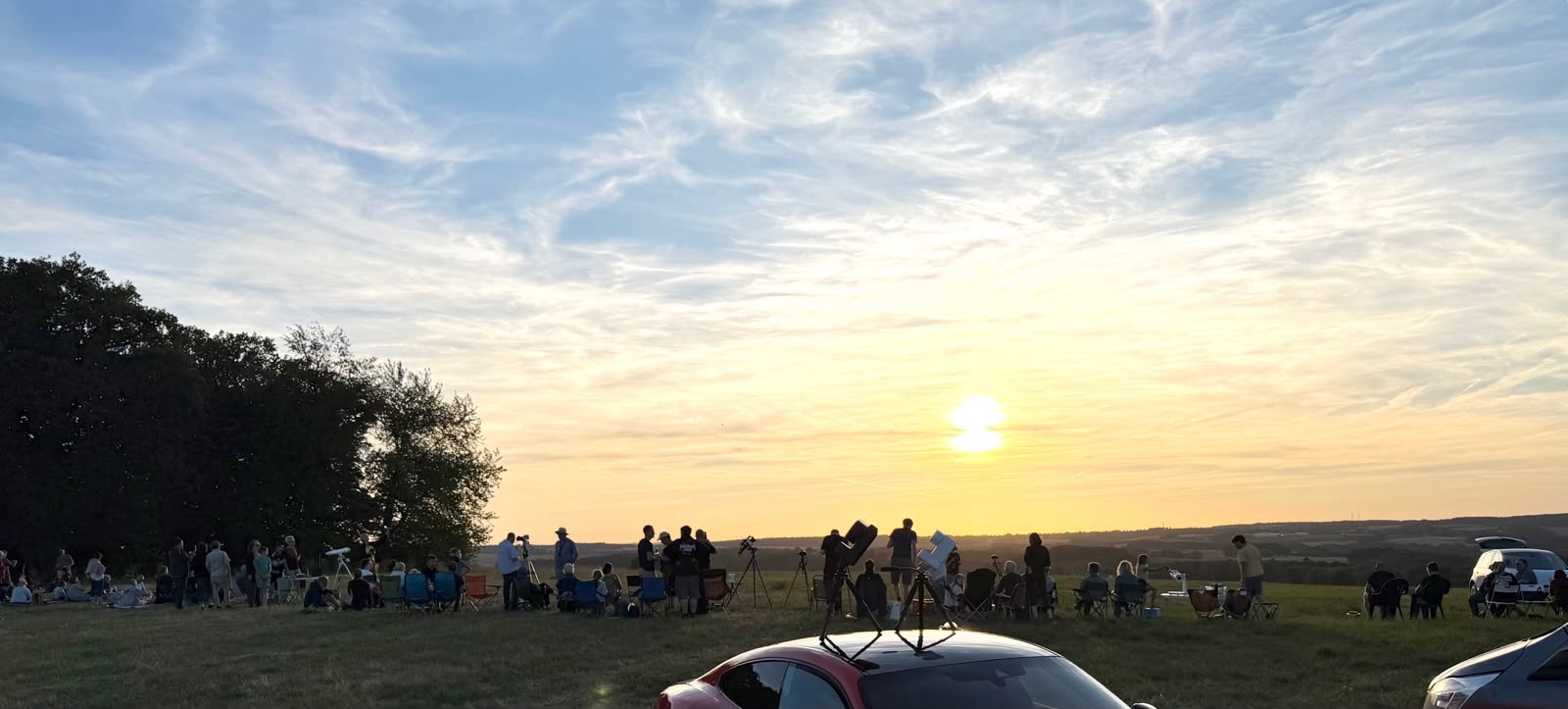
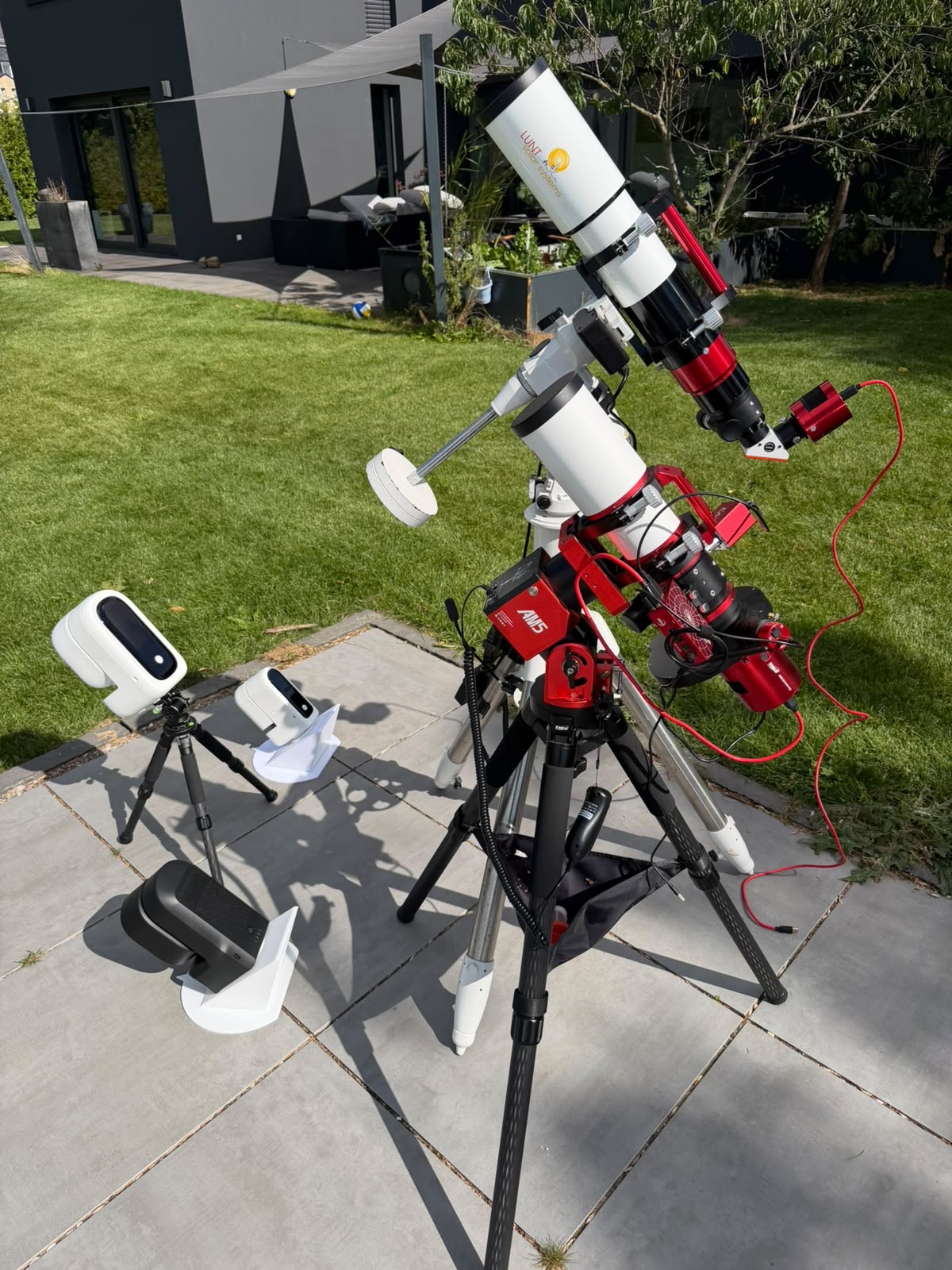
Open observing sessions for anyone who shows up - most recently for the solar eclipse in August 2026. Seestar units are our go-to for live views on a screen while the eyepieces are busy.
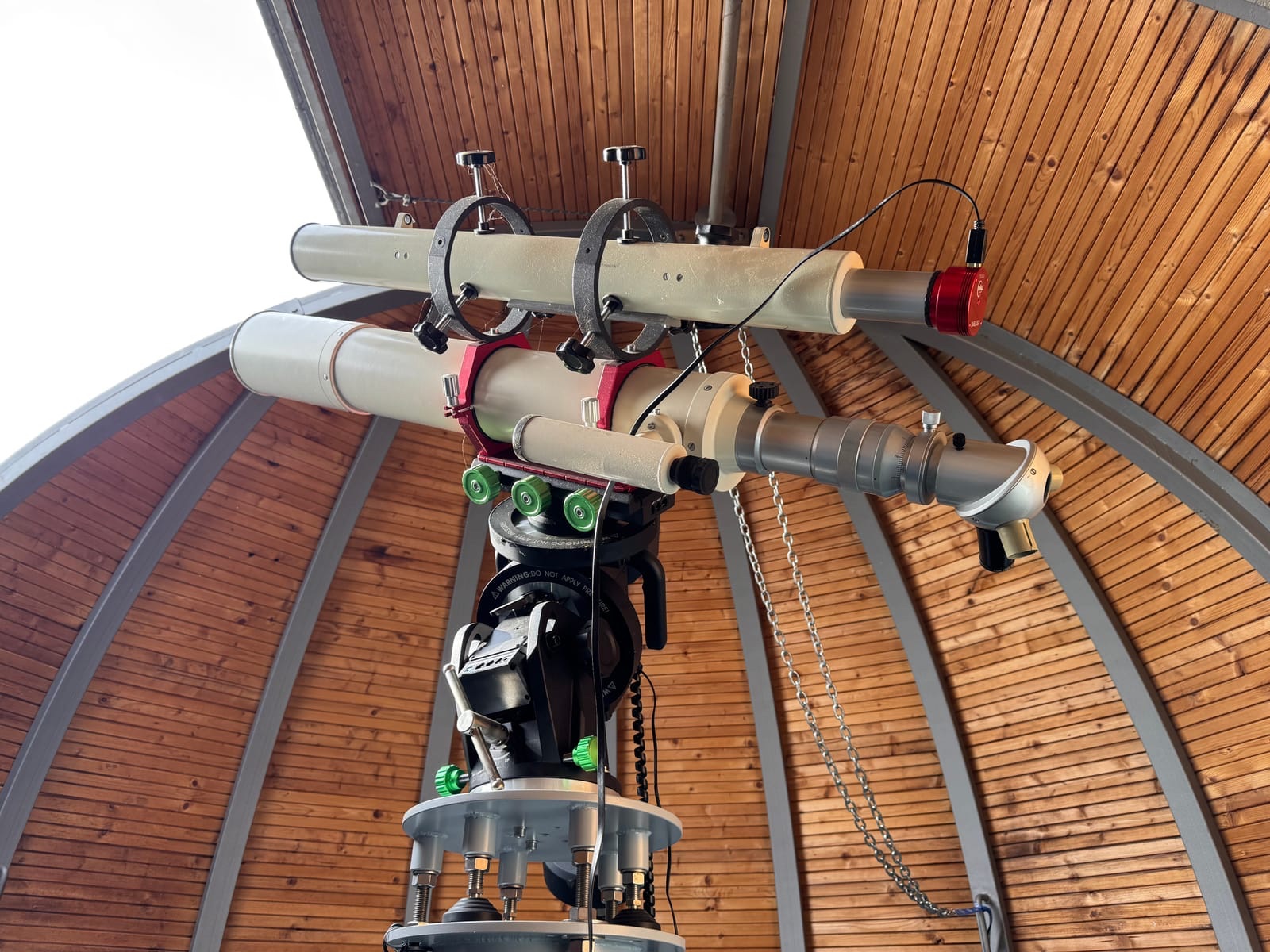
We support the Planetarium Chemnitz at its events; one of our members works there as a freelance presenter. It gives us a stage, an audience, and a second home for outreach.
Our images
A selection of member work - from Saxon backyards to Namibian dark sites. Deep sky, narrowband, lunar, solar, timelapse. Click an image to enlarge.
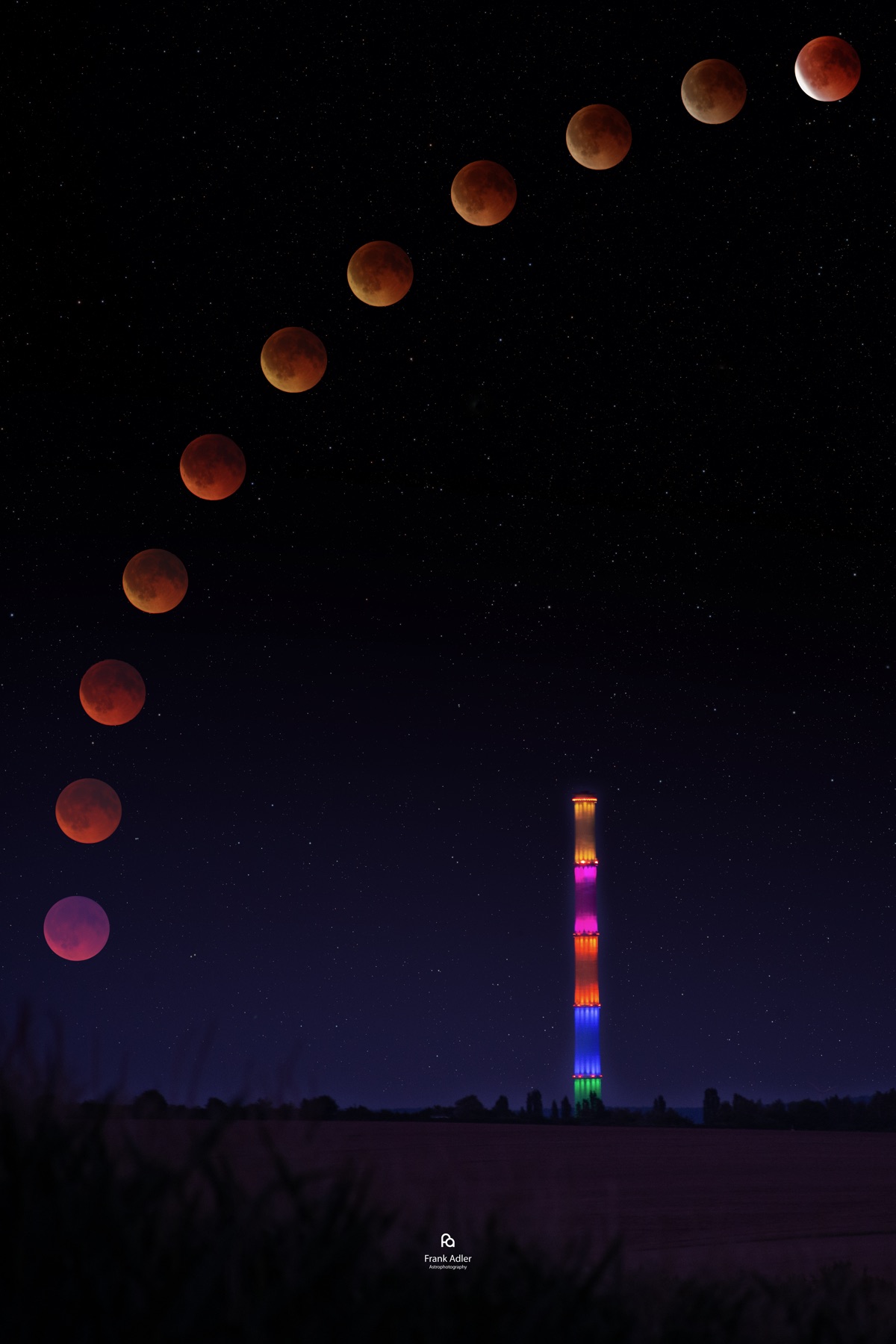 Above the Tower · lunar eclipse over Chemnitz · by Frank Adler
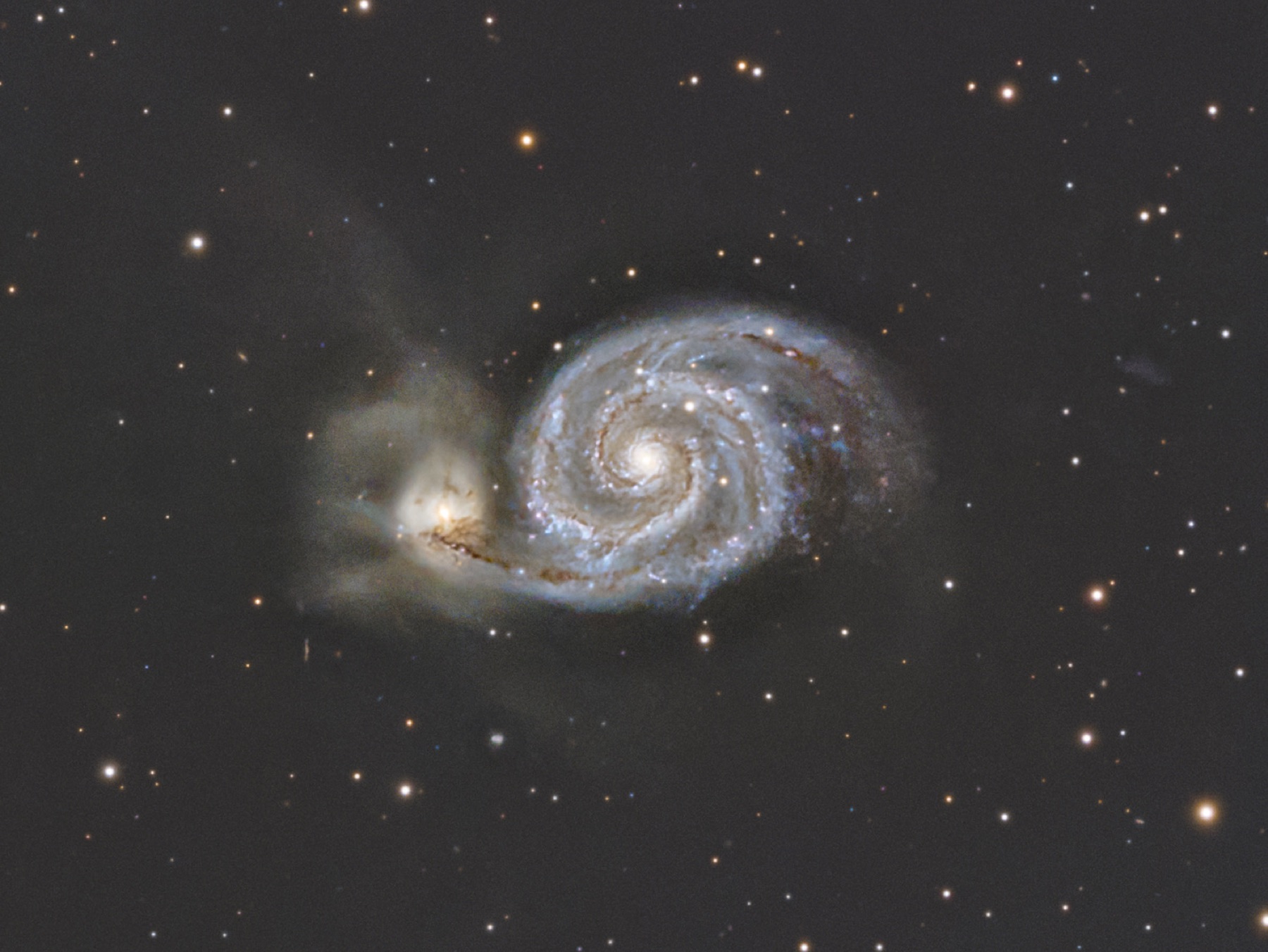 M 51 · Whirlpool Galaxy · by Frank Adler
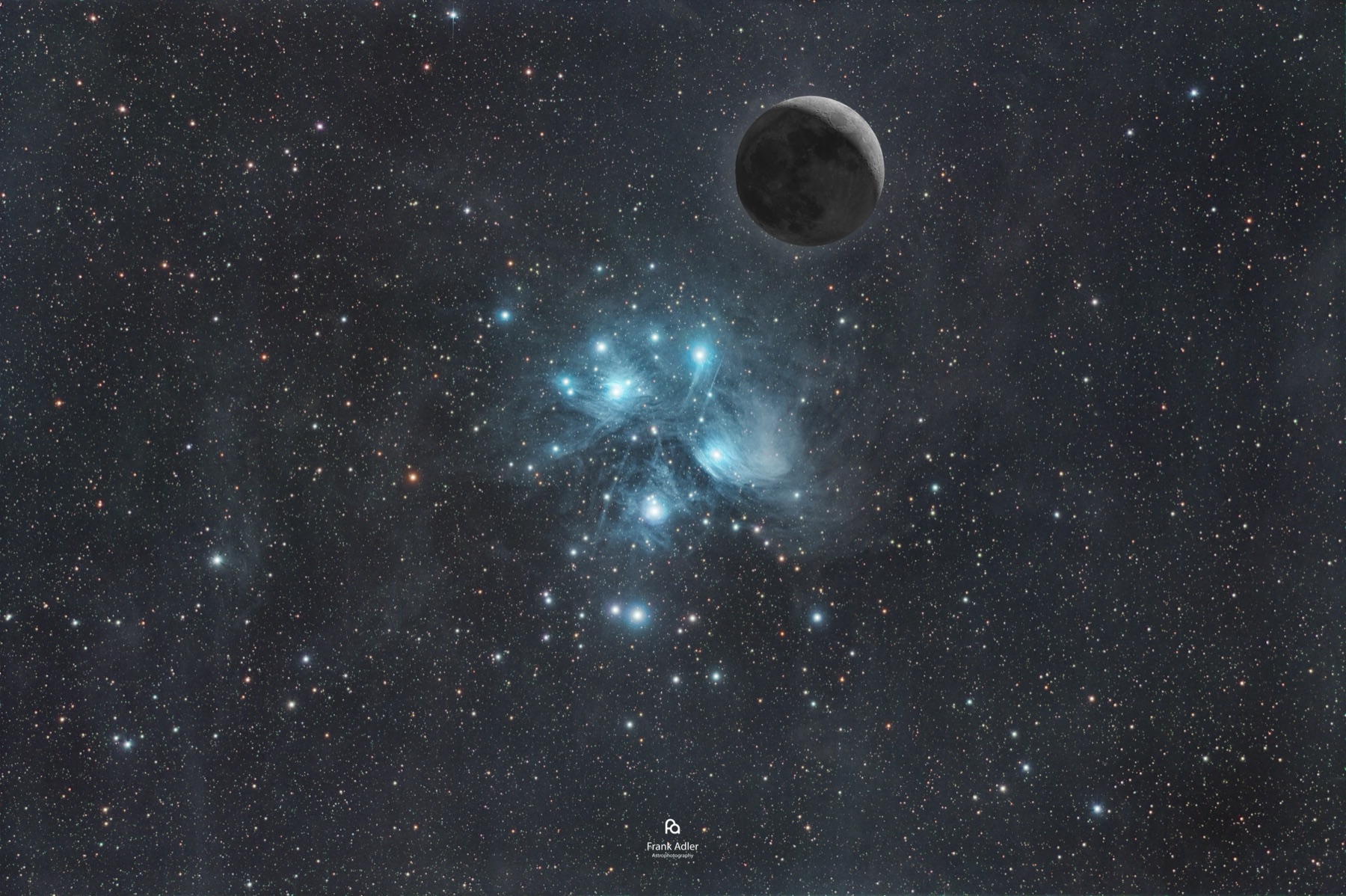 Moon × M 45 · by Frank Adler
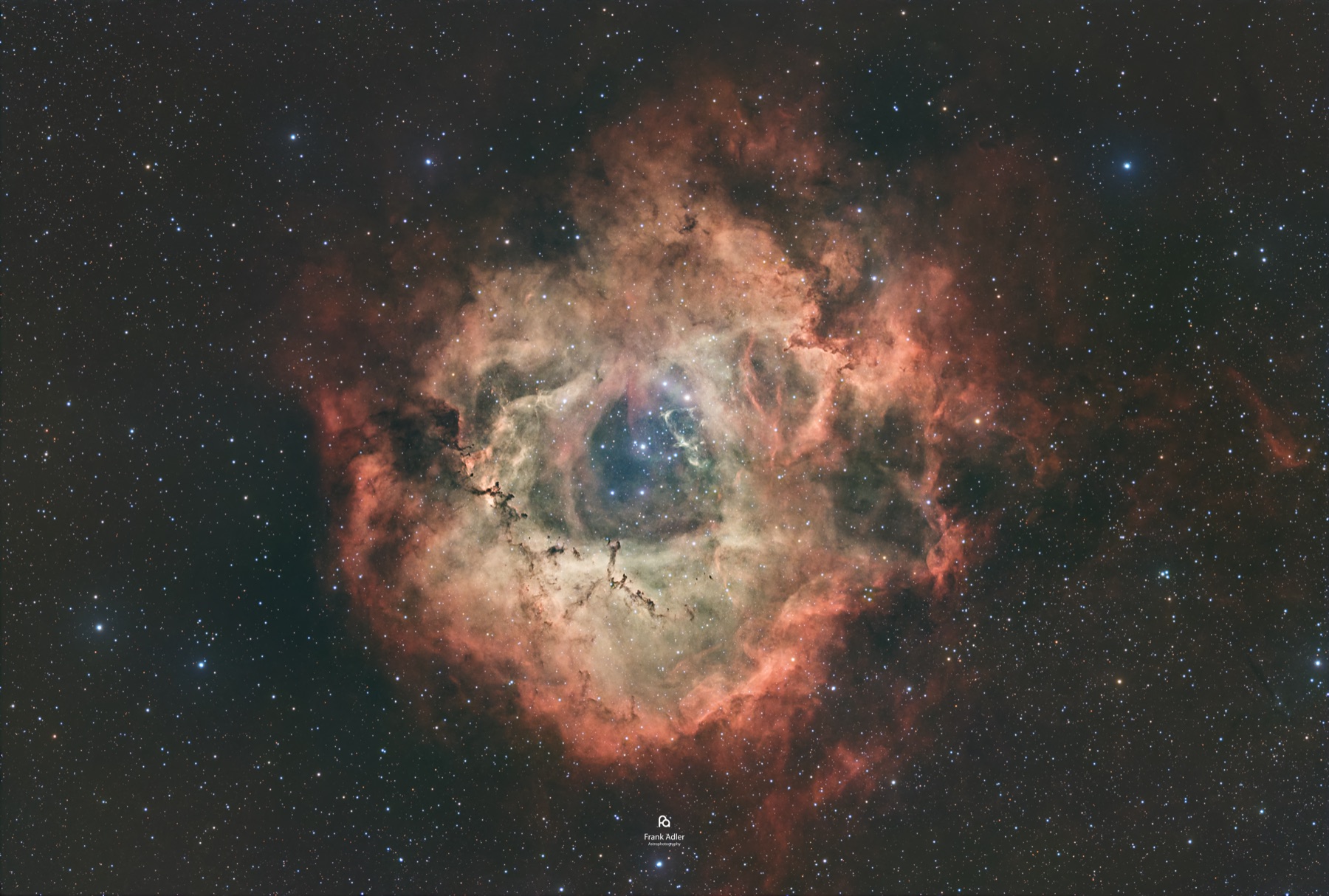 NGC 2237 · Rosette Nebula · by Stephen Kühmichel
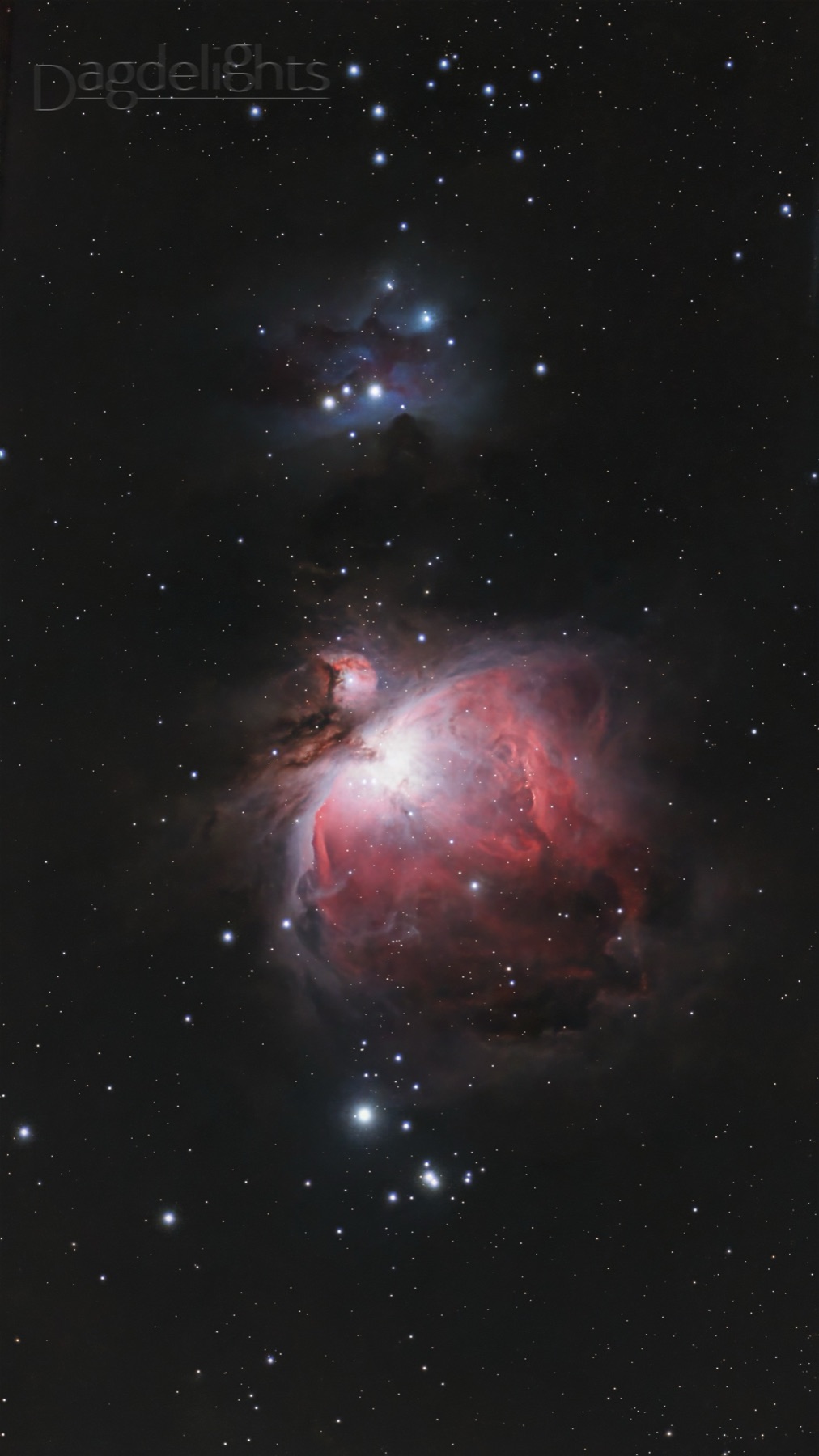 M 42 · Orion Nebula · by Steffen
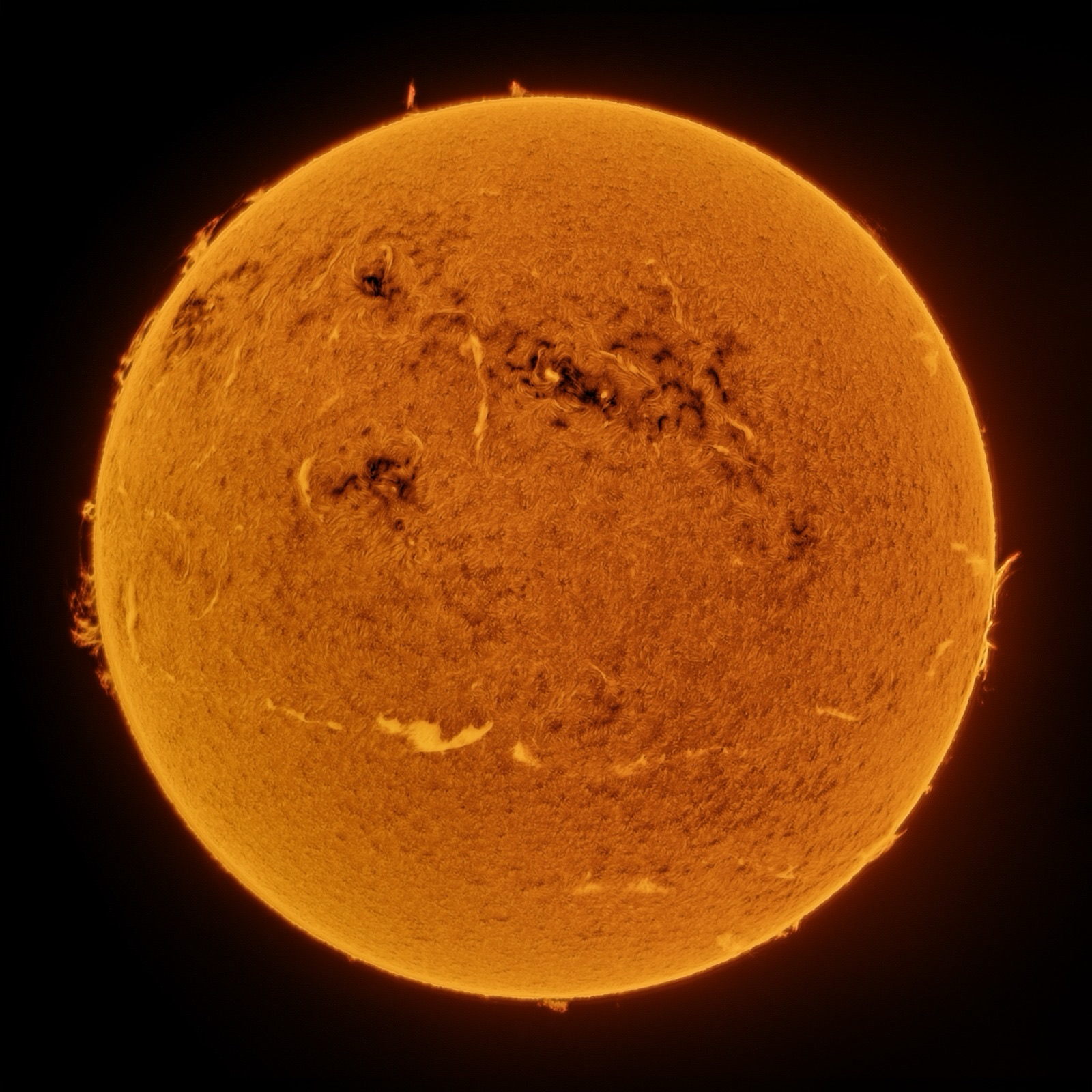 H-Alpha Sun · by Andreas Gester
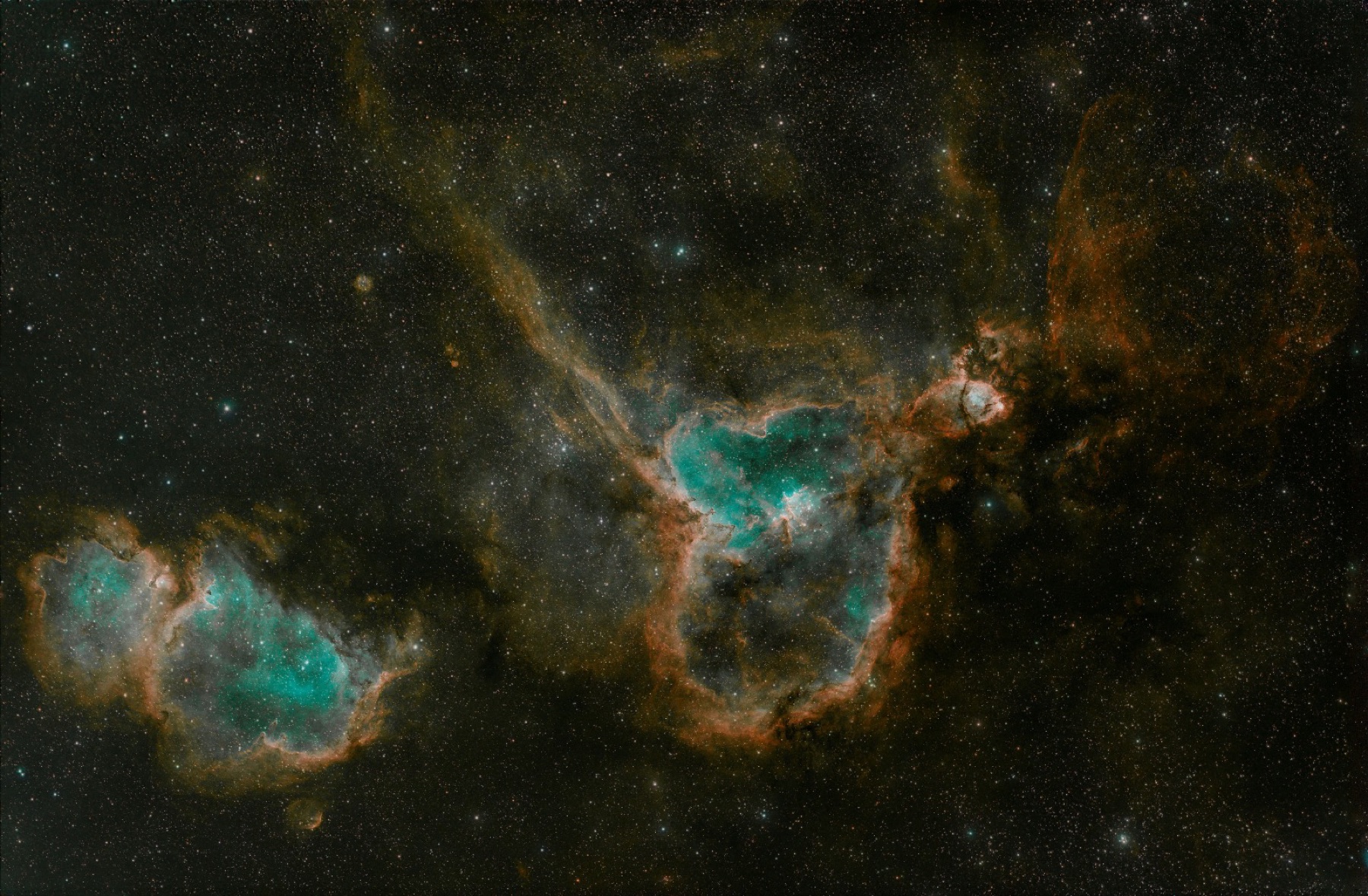 IC 1805 · Heart Nebula · by Matthias Schmidt
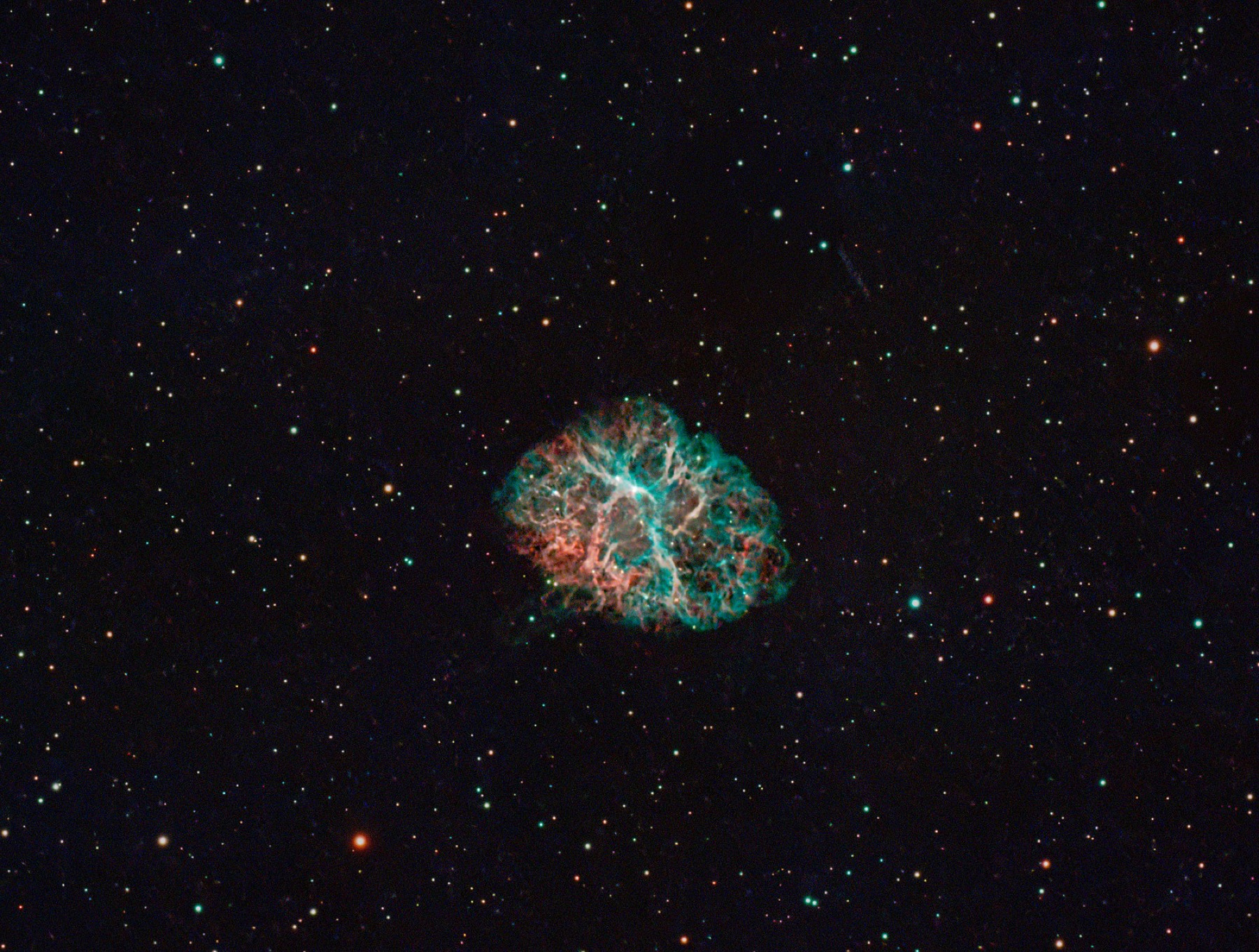 M 1 · Crab Nebula · by Matthias Schmidt
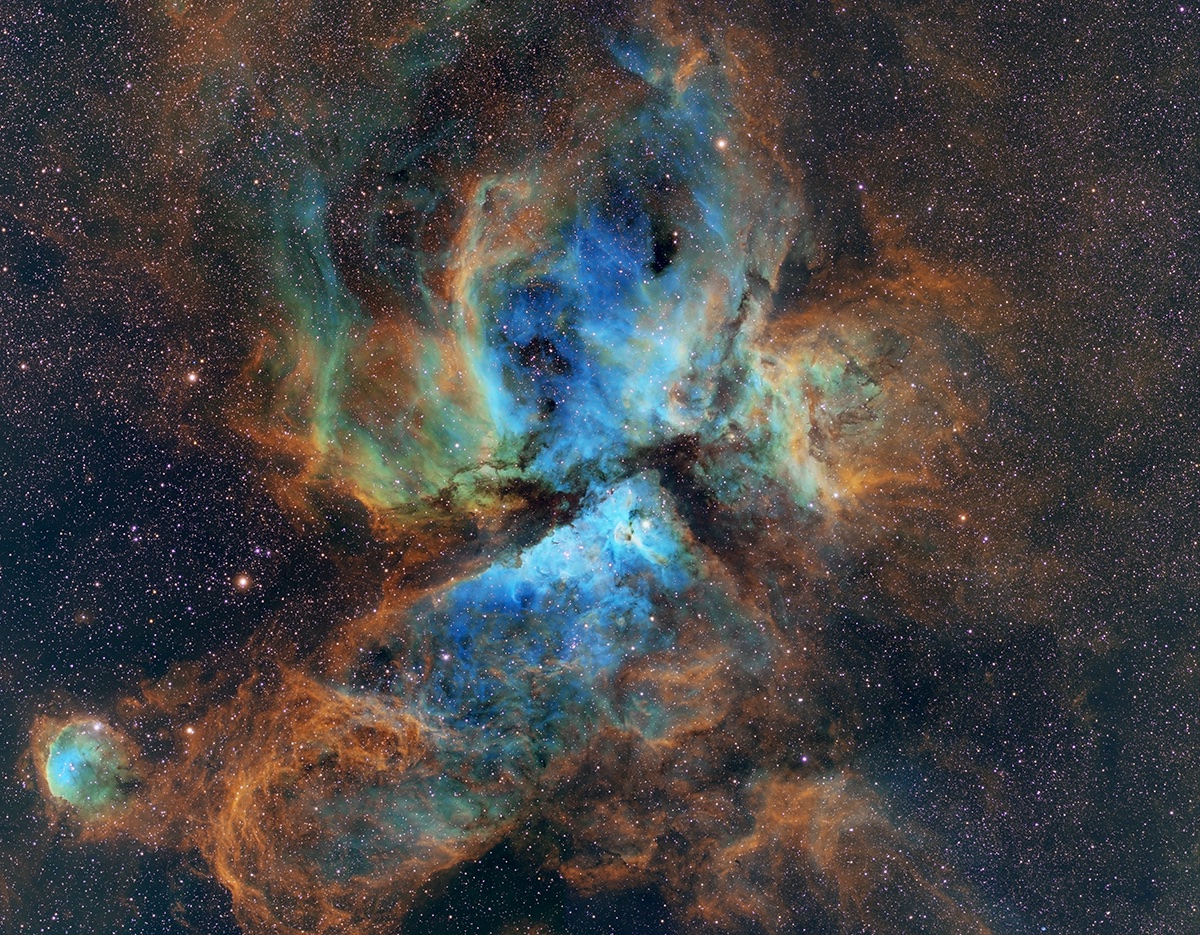 NGC 3372 · Eta Carinae Nebula · by Stephen Kühmichel
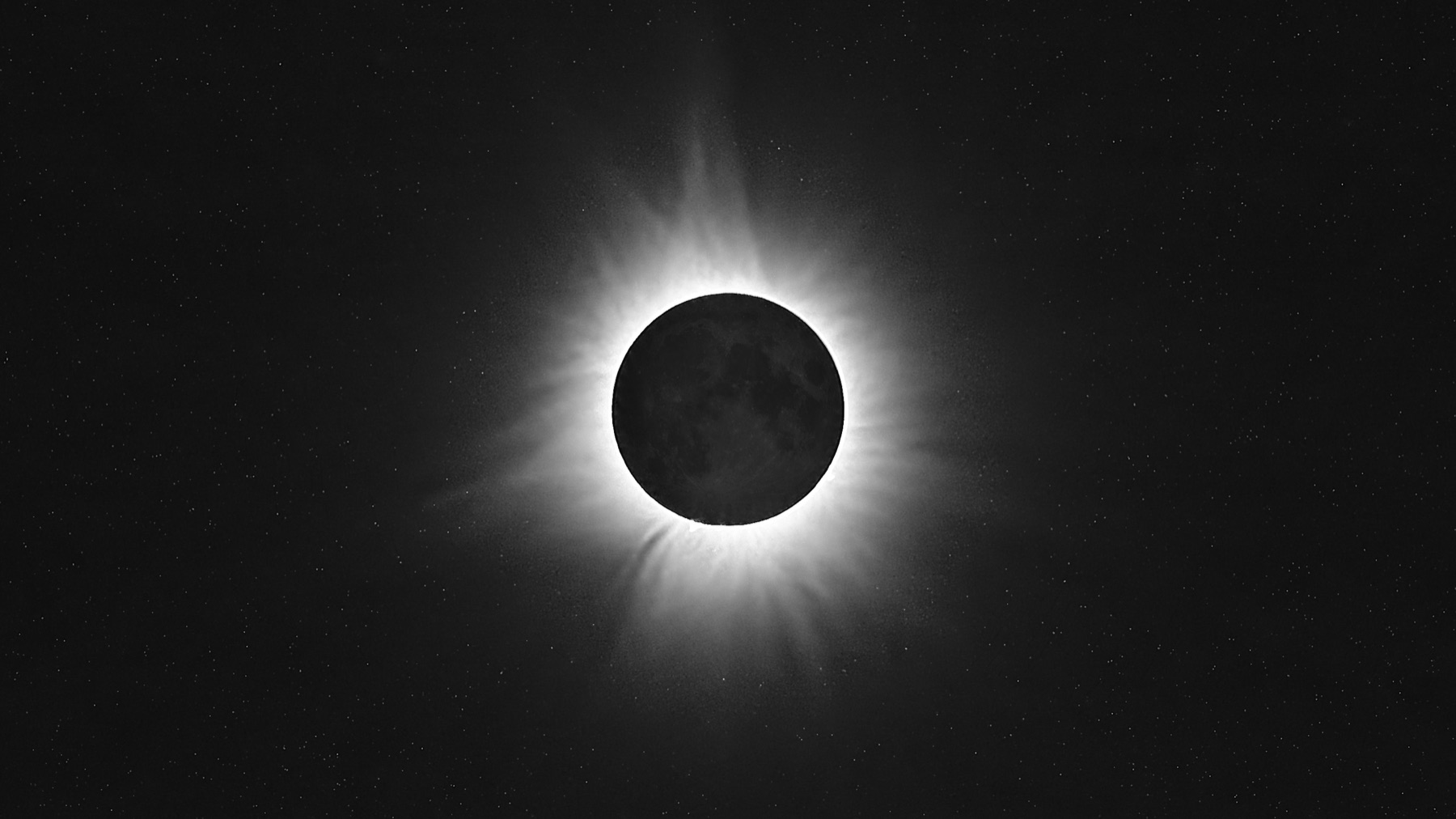 Total solar eclipse · 2024 · by Martin Seidel & Frank Adler
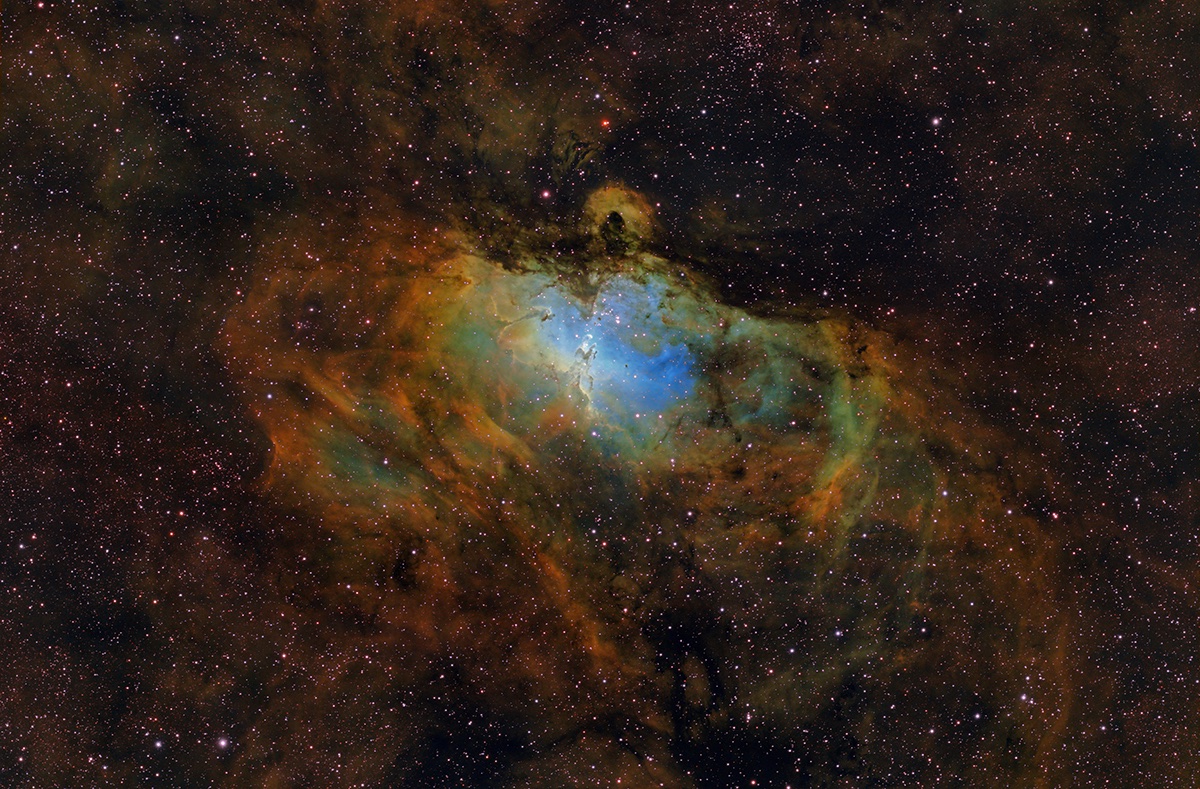 M 16 · Eagle Nebula · by Stephen Kühmichel
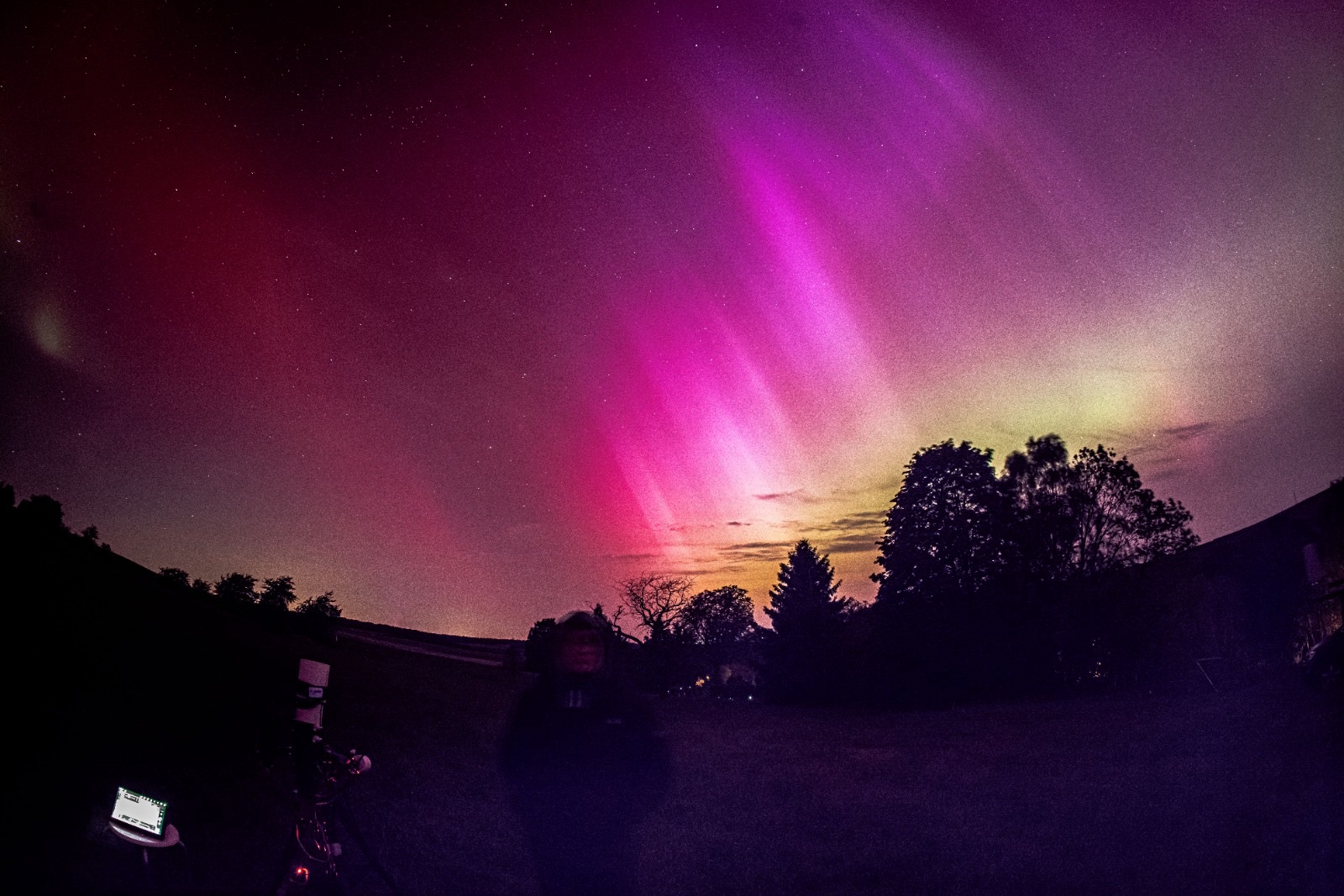 Aurora over Saxony · by Matthias Schmidt
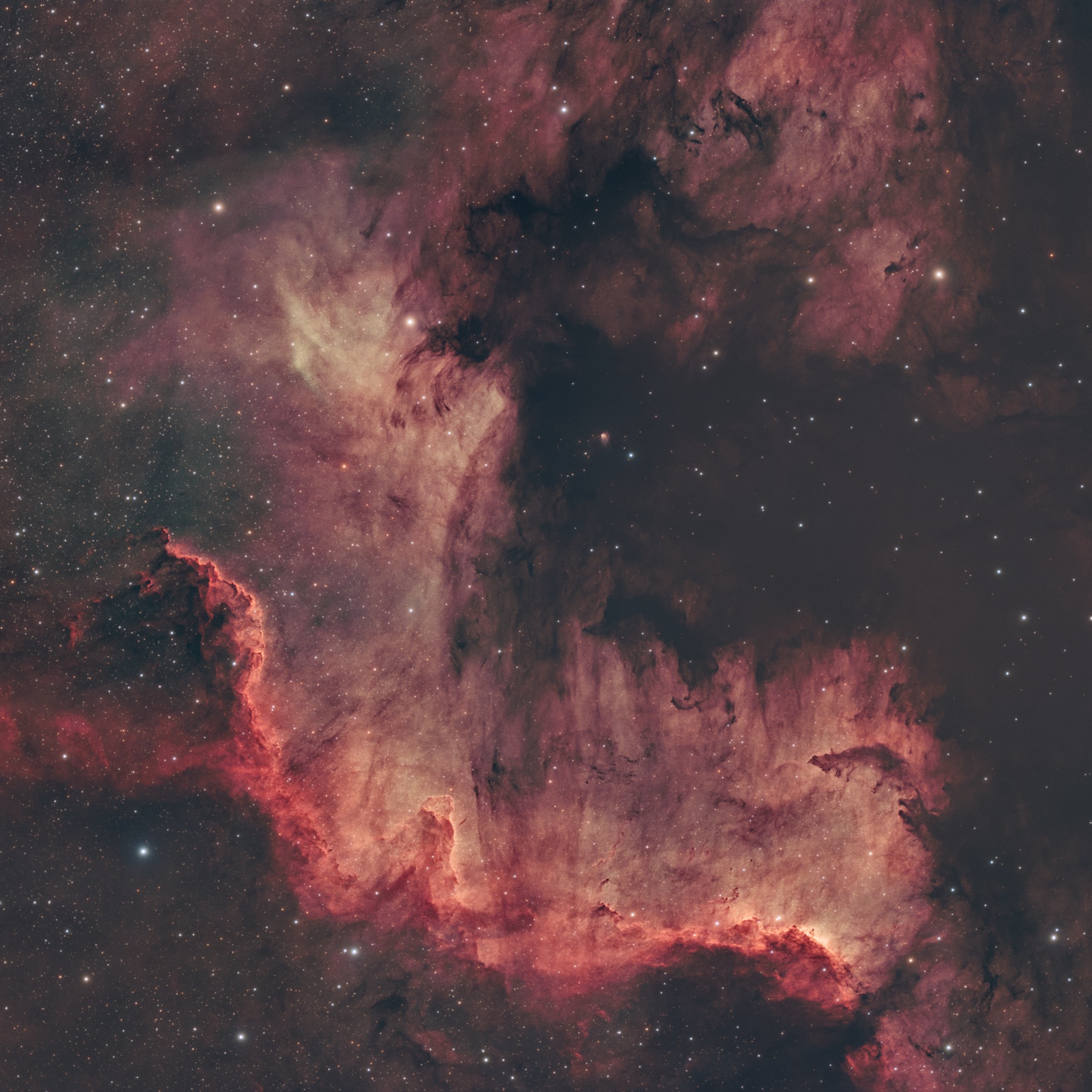 NGC 7000 · Cygnus Wall · by Frank Adler
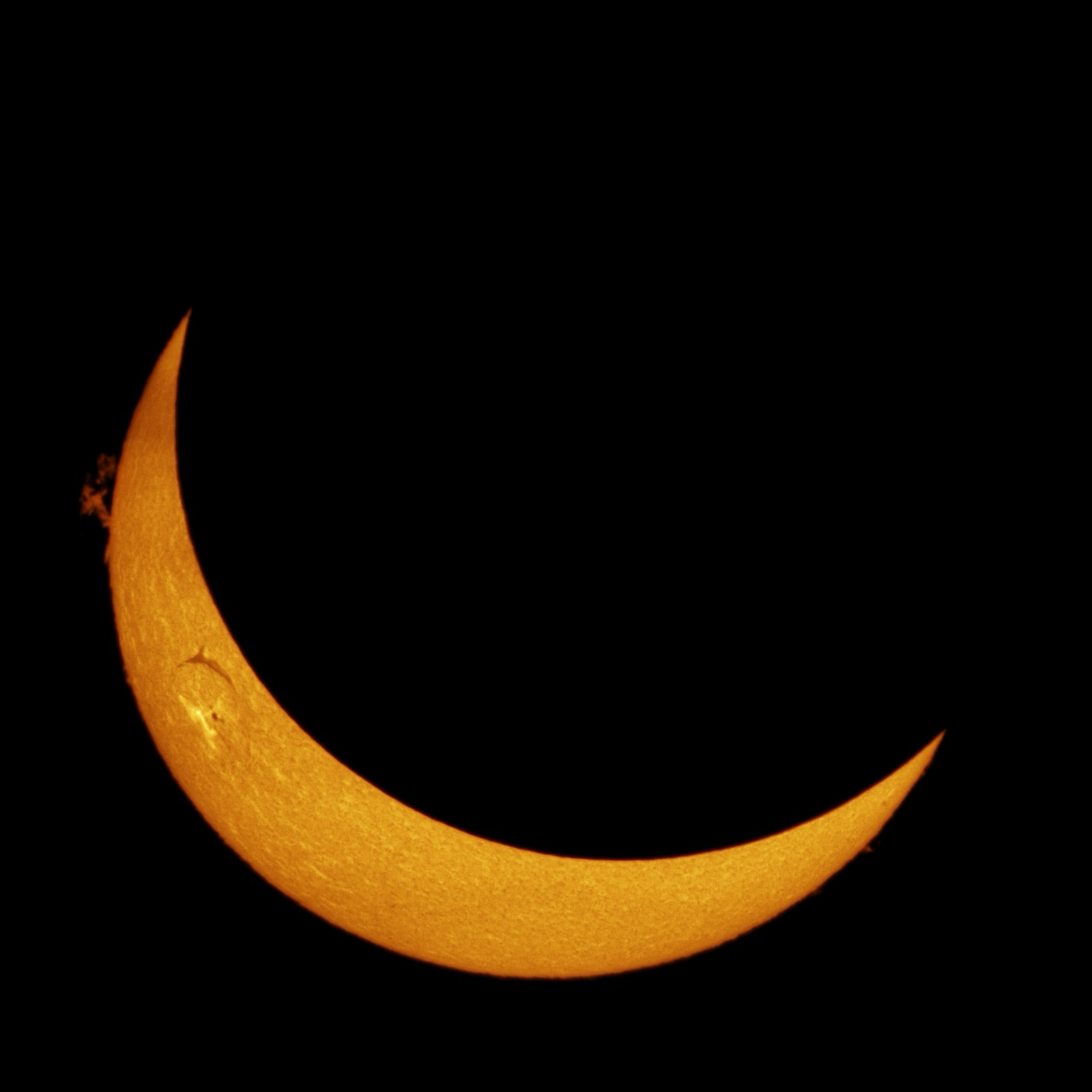 Partial solar eclipse · August 2026 · by Andreas Gester
Our gear
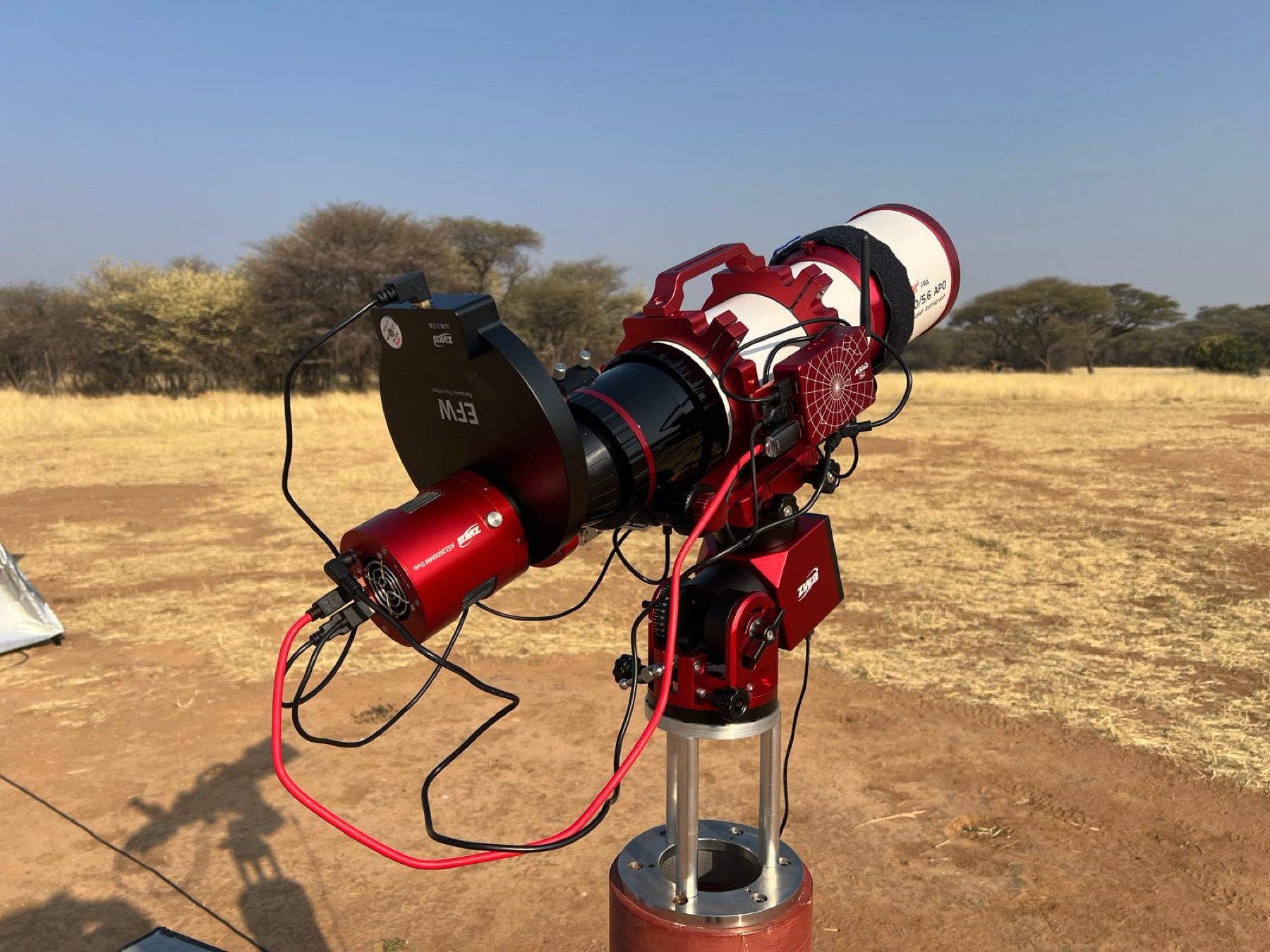
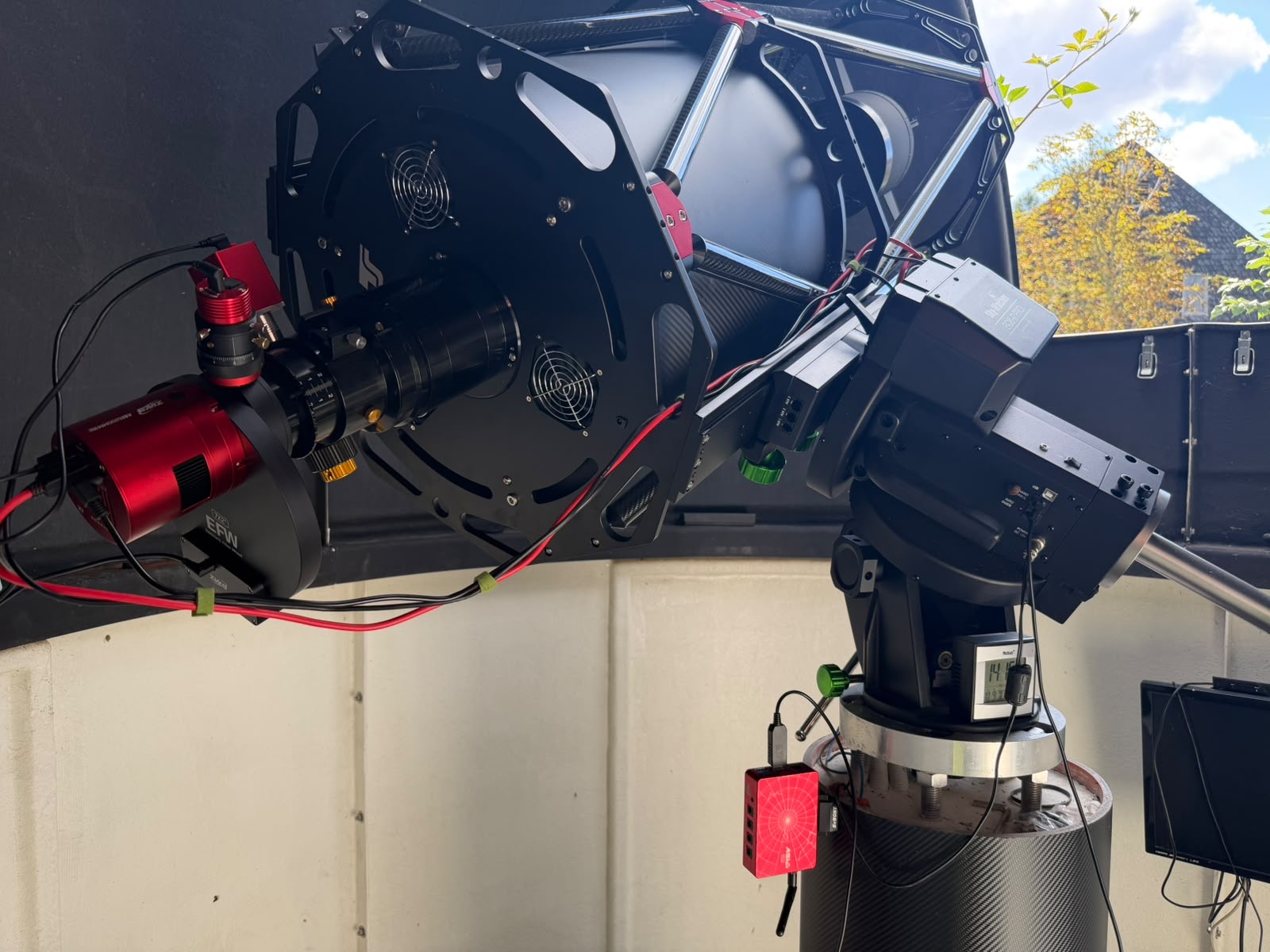
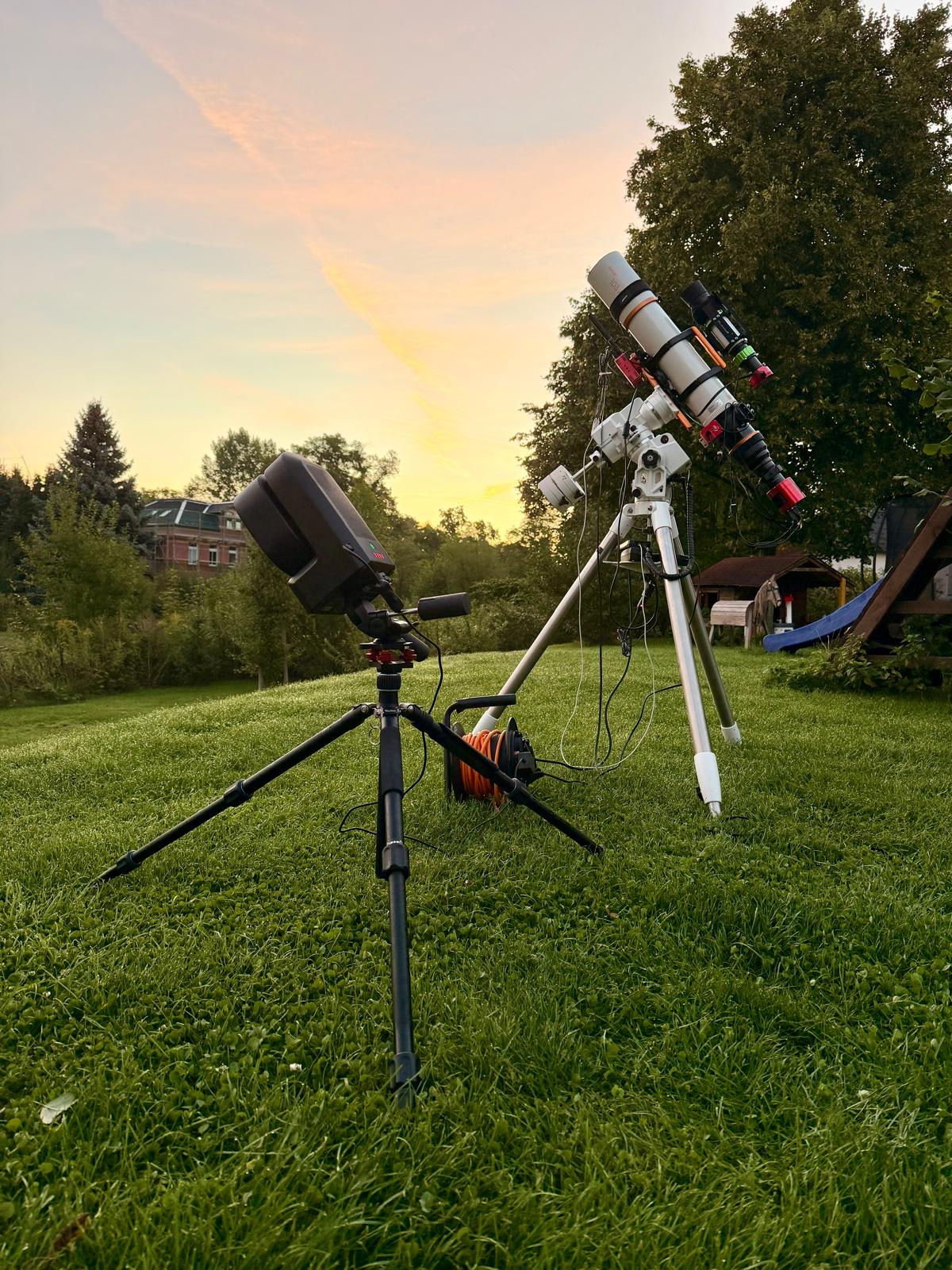
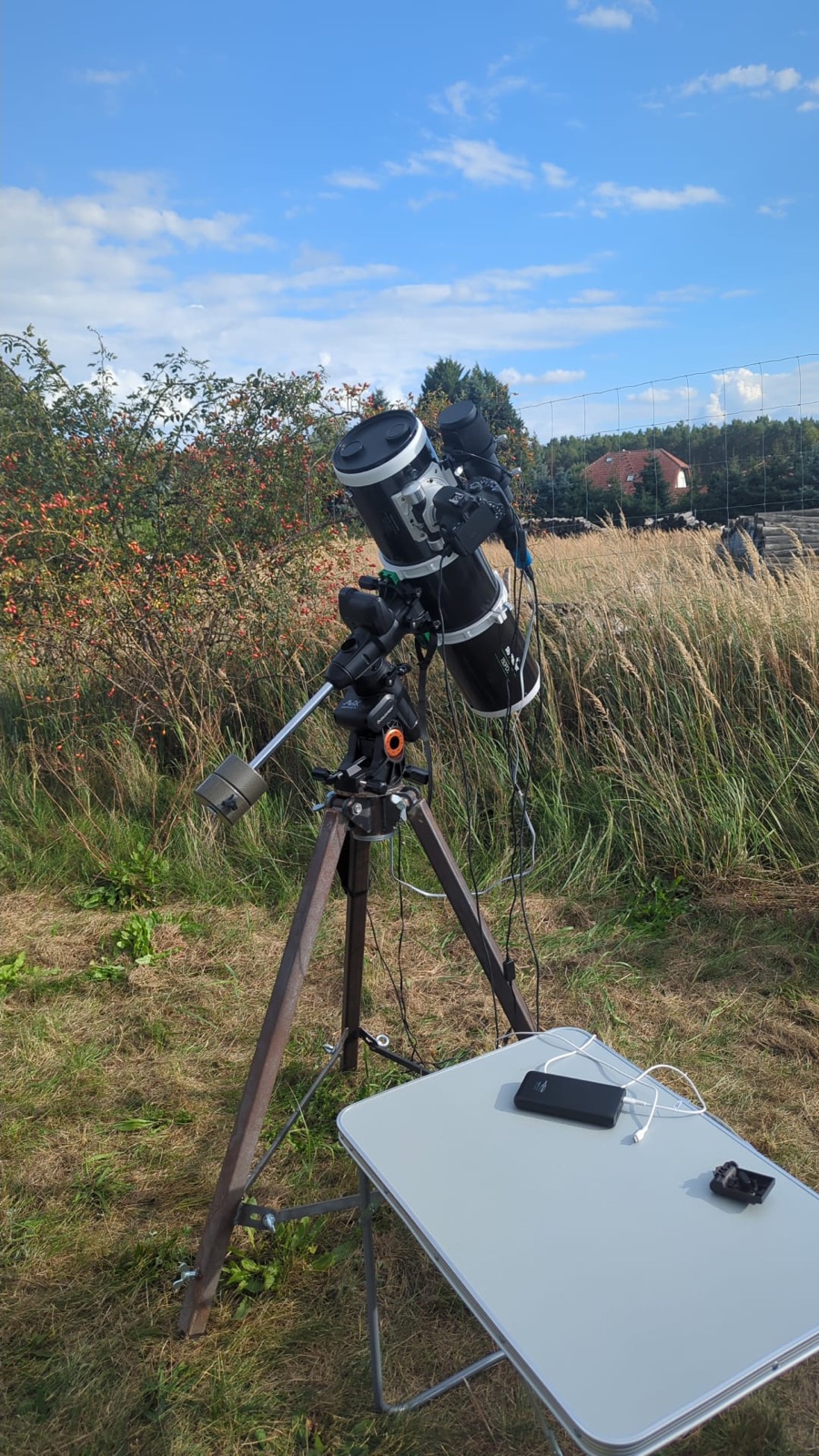
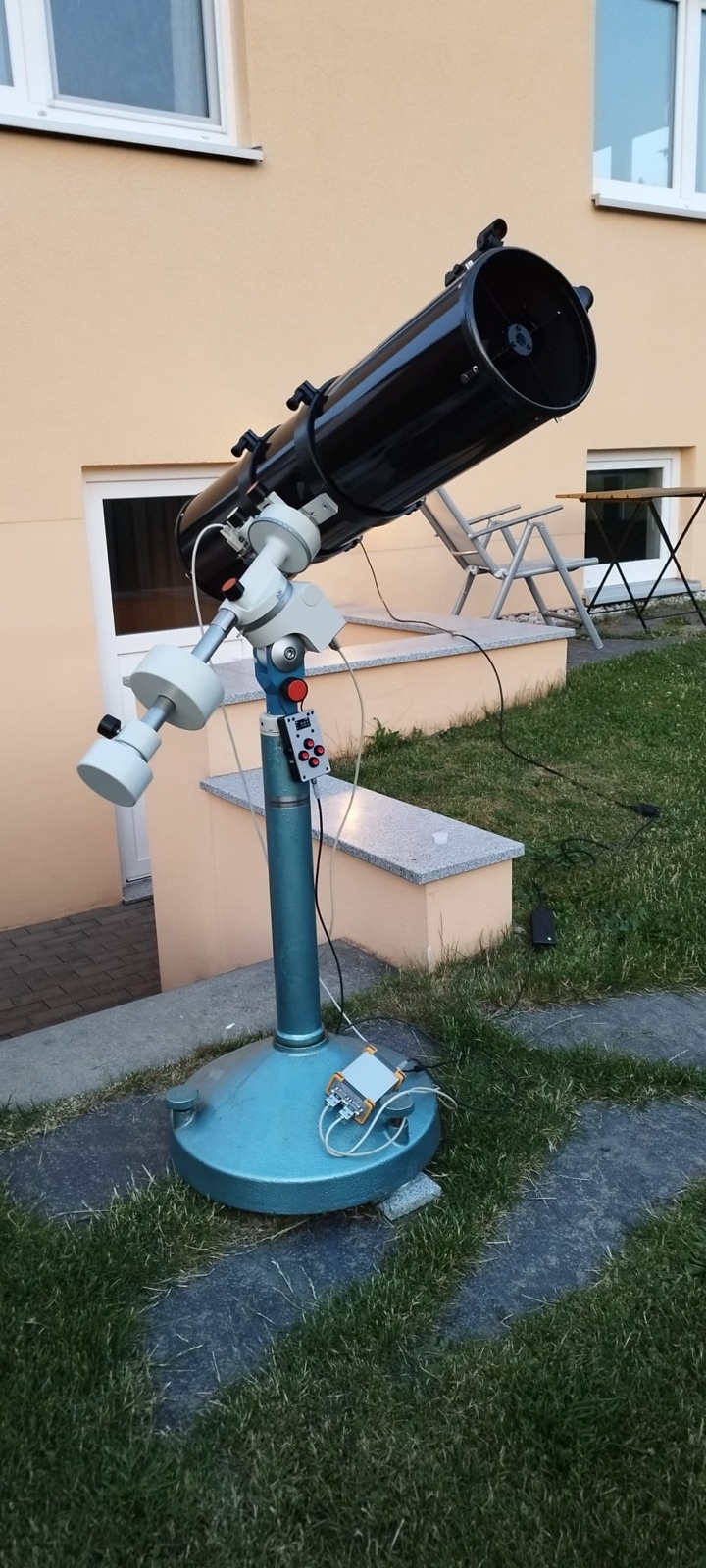
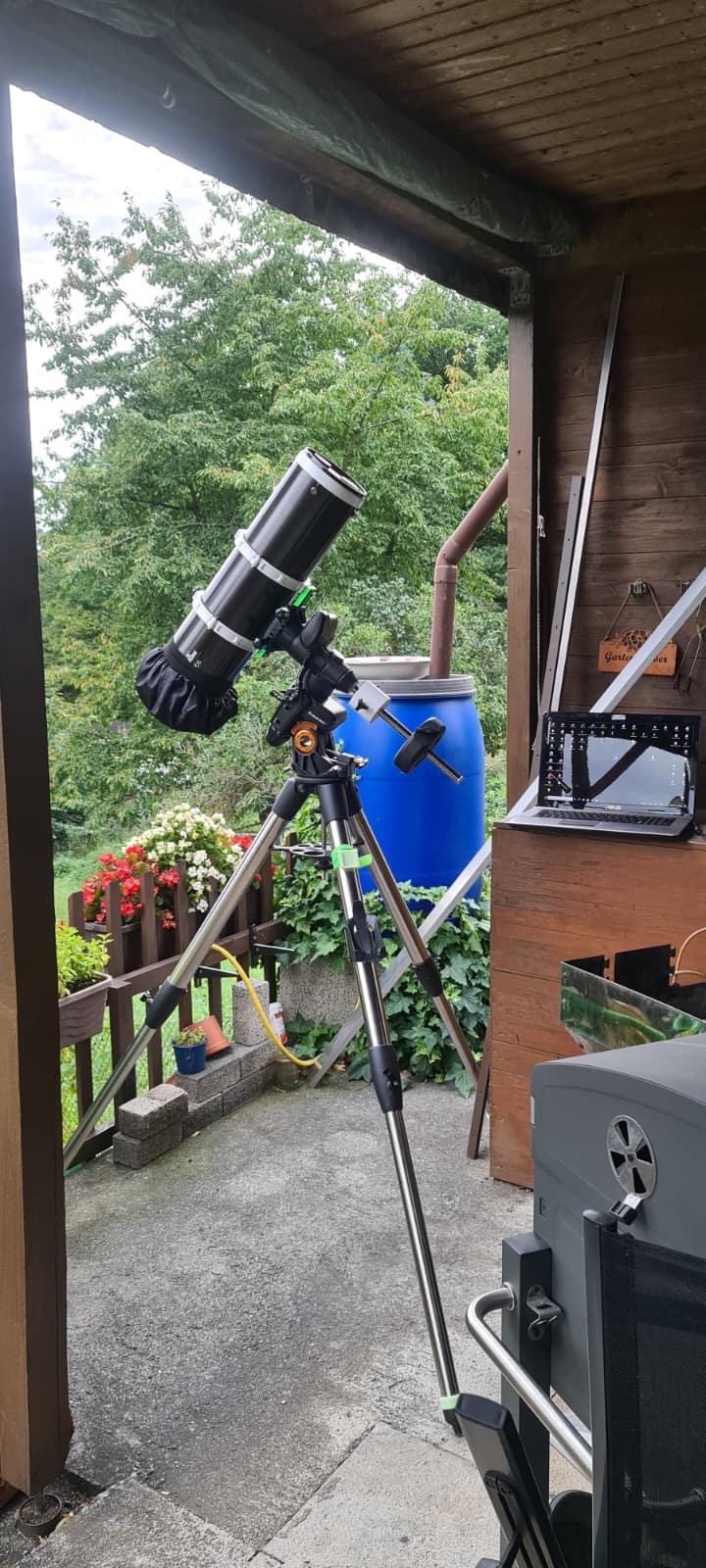
ASI cameras, ASIAIR controllers, filter wheels, EAFs, harmonic mounts - and a growing fleet of Seestars that come along to every public event. Nobody told us to buy them. We bought them because they get the job done in a cold field at 3 a.m.
Built in the group
Open-source software developed by a member and battle-tested by the group - including Seestar S30/S50 sensor presets, because that's what people were asking for.
Astrophotography planning companion: 12,700+ objects across Messier, NGC, IC, Sharpless, vdB, LDN and Barnard; custom horizons; light-pollution overlay; seeing forecast; sensor and FOV matching (Seestar presets included); eclipse planning; clear-sky push alarm.
skywarden.app ↗ Mobile PWAPoint your phone at the treeline and record a 360° horizon profile. Exports Stellarium-compatible .hrz files that feed straight into Skywarden's planning.
theo.rocks ↗ PixInsight scriptSplits the stars of a finished image into GAIA-distance layers for parallax animations and interactive presentations. Distributed via a PixInsight update repository.
Read the write-up ↗Working together
We're a small group with an unusually high output: images, talks, public events, software. Here is where that could meet ZWO's goals.
Real-world testing across different experience levels, equipment setups and observing conditions - followed by independent reviews, structured feedback and practical tutorials. German and English.
Step-by-step guides and live workshops: from first light with a Seestar to narrowband processing pipelines. We already teach this to each other every month.
Seestars and ASI rigs in front of hundreds of visitors at the Long Night of Science, Planetarium events and public observing nights. Live demos are the best product demo there is.
Skywarden and Theo are open source and already carry Seestar presets. We're happy to explore deeper integration, co-branded features or planning links for ZWO users.
28 users with very different skill levels, skies and rigs - a ready-made test group for firmware, app and hardware feedback with quick turnaround.
A credible, visible ZWO user community in Saxony, with a website, social channels, a planetarium connection and a university science night.
We're not looking for a sponsor logo on our website. We're looking for a partner whose products we already trust - and a way to help more people see what we see.